Friday, 9 November 2012

Bob Marley : Dari Catch A fire Ke Legend

Jika tidak kerana Bob Marley senario musik reggae mungkin tidak sebesar hari ini dan jika tidak kerana Peter Tosh dan Bunny Wailer kita mungkin tidak mengenali Bob Marley seperti yang kita tahu, hari ini. Bob, Peter, Bunny saling berkait rapat baik sama ada dari hubungan kekeluargaan mahupun musik juga fahaman. Mereka bertiga membentuk kumpulan The Wailers pada tahun 1963, sebelum menggunakan nama The Wailers mereka ada menggunakan beberapa nama antaranya seperti The Teenagers, The Wailing Rudeboys, The Wailing Wailers.Penulis cuba mengupas tentang album Bob Marley dari Catch A Fire sehingga Album Legend dalam penulisan kali ini. Sila Semak  


Album Catch A Fire merupakan album pertama The Wailers bersama Island Records kepunyaan Chris Blackwell. Album yang direleasekan pada 13 april 1973 yang direkodkan dari bulan May-Oktober tahun 1972. Album Catch A Fire Mengandugi 9 buah lagu dimana 2 lagu daripadanya merupakan ciptaan Peter Tosh (400 Years, Stop That Train) dan selebihnya merupakan ciptaan Bob Marley seperti (Concrete Jungle,Slave Driver, Rock It Baby, Stir It Up, Kinky Reggae, No More Trouble dan Midnight Rivers). Catch A Fire dimana dalam slang Jamaika bermaksud 'Catching Hell' (getting in trouble). Versi asli Cover bagi album ini berbentuk pemetik api 'zippo' dimana ia dicetak sebanyak 20,000 keping dalam bentuk piring hitam bagi cover pemetik api 'zippo' ini, kemudian diganti dengan cover alternatif dimana cover Bob Marley sedang merokok dan dikreditkan dengan nama Bob Marley & The Wailers.
Album ini dirakamkan di 3 buah studio di kingston, Jamaica iaitu menggunakan studio (Dynamic Sound, Harry J., & Randy's).Kemudian album dicetak semula untuk edisi deluxe bagi cd pada tahun 2001 dimana ia menggunakan cover bebentuk pemetik api zippo, (untk pengetahuan pembaca versi LP cover berbentuk pemetik api zippo, ia bole dibuka seperti pemetik api untuk mengeluarkan LP, rujuk gambar diatas). versi cd edisi deluxe ia didatangkan dengan 2 buah cd. Cd pertama adalah versi unrelease original Jamaican dimana versi ini meuatkan 11 buah lagu iaitu dengan 2 track tambahan, Hide Tide Or Low Tide dan All Night All Long. Manakala cd kedua adalah versi keluaran Island Record.

Album kedua The Wailers Burnin' dimana juga album ini merupakan album terakhir mereka sebagai The Wailers, dimana Peter Tosh dan Bunny Wailer mengambil keputusan untuk keluar dari kumpulan The Wailers mengembangkan kerjaya mereka sebagai penyanyi solo. Mengandungi 10 buah lagu dimana 2 buah lagu ciptaan Bunny (hallelujah Time dan Pass It On). Manakala Peter Tosh 1 lagu ciptaannya (One Foundation) dan 1 lagu yang dikreditkan bersama Bob Marley iaitu lagu(Get Up Stand Up)manakala selebihnya adalah lagu Bob Marley (I Shot The Sheri, Burnin' & Lootin, Put It On, Small Axe, Pass It On, Duppy Conqueror, Rasta Man Chant 'traditional arranged by Bob Marley'). Lagu I Shot The Sherif didalam album ini menjadi hit apabila dinyanyikan oleh Eric Clipton.Cover album The Miseducation of Lauryn Hill seorag penyanyi dan rappers Lauryn Hill mengambil inspirasi dari album Burnin' ini. Cover album yang berlatarbelakangkan kayu.

Bob Marley & The Wailers nama yang digunakan pakai oleh Bob Marley selepas Peter Tosh dan Bunny Wailers keluar dari The Wailers dan memasukkan i-three trio vokal wanita (Rita Marley, Marcia Griffiths dan Judy Mowatt) untuk Album Natty Dread. Album yang dikeluarkan pada 25 oktober 1974 yang dirakamkan di Harry J Studio, Kingston, Jamaika pada tahun 1973. Mengandungi 9 buah lagu (lively Up Your Self, No Woman No Cry, Them Belly Full (But We Hungry), Rebel Music (3 O'Clock Roadblock), So Jah S'eh, Natty Dread, Bend Down Low, Talkin' Blues, Revolution.). Lagu No Woman No Cry yang terdapat dalam album ini dikreditkan atas nama Vincent Ford,
 atau dikenali sebagai Tartar. seorang rakan dan jiran Bob Marley di kawasan trenchtown semasa zaman kecil beliau. Lagu di track ke 2 album Natty Dread ini, No Woman No Cry adalah versi reggae, tetapi versi live berentak R&B pada album Live Bob Marley dianggap yang terbaik ini selalu disalah anggap ertinya sebagai tiada perempuan tidak menangis. Dalam slang Jamaika "No, woman, nuh cry". bererti "tidak, perempuan, jangan kau menangis". Lagu ini juga pernah di cover oleh artis seperti Pearl Jam, The Fugees, Jimmy Cliff, Pauline Black, Rancid, etc.  Cover album ini dilukis oleh Tony Wright, seorang pelukis kelahiran London. Antara Cover yang dilukis oleh Tony Wright seperti cover album Max Romeo (War Inna Babylon), Lee Scratch Perry (Super Ape), Third World (Journey To Addis) dan beberapa lagi artis dan band yang pernah mendapat sentuhan pelukis ini.

Album live! Bob Marley & The Wailers yang dirakamkan pada 18 & 19 Julai 1975 di Lyceum Theathe, Diangkat antara salah satu persembahan live terbaik Bob Marley, ia dirakamkan oleh Danny Holloway (seorang pekerja Island) menggunakan Rolling Stones Mobile Studio. sebanyak 7 Buah lagu direkodkan dan untuk versi remastered 2001 sebuah lagu iaitu Kinky Reggae ditambah sebagai bonus track. Anggota band yang terlibat dalam membuat persembahan live ini adalah, * Bob Marley – lead vocals, rhythm guitar * Al Anderson – lead guitar * Tyrone Downie – keyboards * Aston "Family Man" Barrett – bass * Carlton Barrett – drums * Alvin "Seeco" Patterson – percussion * I Threes (Rita Marley, Judy Mowatt, Marcia Griffiths) – backing vocals

Rastaman Vibration... Album roots reggae yang dikeluarkan pada 30 april 1976 direkodkan di 2 buah studio, Harry J Studio dan juga menggunakan studio Joe Gibbs. Album ini berjaya mencapai kejayaan di pasaran US ketika itu, menjadi satu-satunya album yang berjaya mencapai top ten di carta billboard(memuncak ditangga ke 8), Original Album mengandungi 10 buah lagu 1. "Positive Vibration" (Vincent Ford),2. "Roots, Rock,Reggae(Vincent Ford), 3. "Johnny Was" (Rita Marley), 4. "Cry to Me" (Rita Marley),5. "Want More" (Aston Barrett), 6. "Crazy Baldhead" (Rita Marley/Vincent Ford), 7. "Who The Cap Fit" (Aston Barrett/Carlton Barrett), 8. "Night Shift" (Bob Marley), 9. "War" (Allen Cole/Carlton Barrett), 10. "Rat Race" (Rita Marley) Bonus Track 11. "Jah Live" (Bob Marley). Untuk edisi Remastered mengandungi 2 buah cd, cd pertama mengandungi beberapa unrealease single mix, dub mix dan alternate, B-side single. manakala cd ke 2 mengandungi edisi live Rastaman Vibration. Lagu War dalam album ini merupakan pidato Kaiser Haile Selassie I, Yang merupakan Jah bagi Rastafarian. Pada tahun itu juga, 2 anggota asal The Wailers Peter Tosh dan Bunny Wailer mengeluarkan solo album pertama masing-masing. Peter Tosh album Legalize It dan Bunny Wailer album Blackheart Man.

BERSAMBUNG...

untuk komen sila ke fb penulis Neat's Jr

Thursday, 1 November 2012

Tony Q Rastafara membentang sayap dengan reggae progresif

Tony Q Rastafara adalah antara muka lama dalam scene reggae di Indonesia iaitu aktif pada sekitar tahun 1989 lagi. telah menghasilkan sebanyak 9 buah album. Beliau meneruskan legasi dalam mencorak identiti reggaenya dengan bunyian-bunyian nusantara. Media-media Indonesia sendir ada yang mengelar Tony Q sebagai Presiden Reggae Indonesia. Pernah juga bekerjasama dengan salah seorang pemain bass yang pernah bekerjasama dengan Bob Marley, Peter Tosh, Black Uhuru iaitu Fully Fullwood didalam lagu Woman didalam album anak kampung.

membentang sayap adalah judul album terbaru Tony Q Rastafara yang diriliskan tahun ini. Apa yang menariknya tentang album terbaru ini adalah ianya diterbitkan dalam bentuk gelang usb yang berisikan 9 buah lagu dalam bentuk data, profil Tony Q, story album, lagu dan lirik serta 3 buah video clip dari album terbarunya dan daftar ring back tone. Menurut Tony Q dalam satu wawancara, mengenai konsep album beliau kali ini lebih ke arah progresif. reggae progresif yang menurut Tony Q, stail musik ini lebih menekankan pada gitar bass, drum dan keyboard, tiada lagi penekanan pada gitar rythmn seperti selalu yang terdapat pada musik reggae itu.

Reggae progresif juga disebut sebagai satu sub genre baru bagi reggae. Bila membicarakan tentang progresif dalam reggae sebenarnya susah untuk saya sebagai penulis sendiri untuk mendefinasikan di sini reggae progresif itu dan ciri-cirinya. mungkin bagi pandangan penulis apa yang disebut progresif itu sebenarnya adalah eksprementasi. menekankan bunyi pada bass yang komplek,bunyian keyboard yang harmoni, dan ketukan drum reggae dengan bunyian klasikal, blues, jazz mungkin juga bunyian nusantara atau sebagainya. Menurut Tony Q, 'bentuk-bentuk synchope dan bentuk progresi kordnya memang sangat progresif',. Penulis sebenarnya masih mencari-cari bunyian yang disebut oleh Tony Q sebagai reggae progresif.

Sebenarnya dalam mencari atau mengklasifikasikan sesuatu jenis musik genre ini bukanlah perkara mudah, lebih-lebih lagi ia dikatakan sebagai satu cabang musik yang baru. Penulis sendiri juga pernah menyaksikan dimana musik metal diadunkan dengan musik reggae,(macam mana tu)?.

Kepada Manteman Malaysia yang sudah lama menantikan kedatangan Tony Q Rastafara, dikhabaran Tony Q Rastafara akan tampil membentangkan sayapnya dengan reggae progresifnya di Kuala Lumpur.

Sunday, 28 October 2012

Scene Reggae Malaysia Kemana?

Penulis rasa sangat cemburu bila melihat perkembangan scene reggae/ska negara-negara jiran kita seperti Thailand, Indonesia mahupun Singapura.Rasa cemburu ini lagi membuak-buak bila melihat Australia mahupun Jepun, kerana apa? kerana negara-negara seperti Jepun dan Australia merupakan antara negara disebelah asia yang akan menjadi destinasi persinggahan artis dan band reggae internasional untuk singgah melakukan tour disebelah asia. Thailand, Indonesia mahupun Singapore pula jika dilihat 2-3 tahun kebelakangan ini begitu aktif menjemput artis dan band reggae/ska dari luar nagara meriahkan festival mereka. Kemampuan mereka menganjurkan acara-acara reggae yang bertaraf baca (internasional) patut kita cemburui. Singapura contohnya, adalah antara negara yang mempunyai kepadatan penduduk yang kurang dan negara  mereka yang kecil, jika hendak dibandingkan dengan Malaysia, band reggae/ska mereka pun boleh dikira dengan jari saja, tetapi mereka masih mampu untuk menganjurkan festival reggae-ska. yang berskala besar, Anda percaya atau tidak? kebanyakkan festival yang dianjurkan oleh penganjur Singapore kebanyakkan orang yang pergi menontonnya adalah rakyat Malaysia. Toots & The Maytals, The Specials, Skatalites, Tokyo Ska Paradise adalah beberapa nama besar yang pernah beraksi di Singapore.Pai Reggae Festival adalah sebuah acara tahunan festival ska/reggae terbesar dinegara Thailand, ia mula dianjurkan pada tahun 2005 (kalau tak silap) dan sudah pun memasuki edisi ke 7 penganjurannya,  Jika dilihat saban tahun pengajuran Pai Reggae festival ini semakin tahun dilihat semakin membesar dan rancak. Selain itu beberapa festival ska/reggae besar yang lain juga pernah dianjurkan di Thailand.Nama-nama seperti Inner Circle, Big Mountain, Ky-Mani Marley, Easy All-Stars, Ska Cubano dan beberapa lagi nama besar yang pernah berlabur untuk singgah di Thailand bukan untuk berlibur yea tetapi untuk menghibur yea. Indonesia tidak kurang hebat juga, pada tahun lepas mereka sukses menganjurkan internasional reggae fest dengan headline nya Big Mountain. The Toaster juga tahun ni bermain di Indonesia.

Malaysia kapan??? Mungkin ada sedikit kenangan untuk diceritakan pada anak cucu, kerana pada tahun lepas The Wailers datang menghiburkan peminatnya di Malaysia. Kedatangan The Wailers adalah atas nama duta untuk mempromosi Hardrock cafe jika tidak jangan bermimpi untuk melihat mereka beraksi Malaysia. Sebenarnya kita sudah jauh ketinggalan dari segi penganjuran reggae/ska festival ini jika hendak dibandingkan dengan negara-negara jiran kita. DiMalaysia pun sebenarnya mereka yang mendengar  dan betul-betul mendokong musik ska/reggae ini  skalanya kecil jika hendak dibandingkan dengan scene Metal dan Jazz negara kita. Cuba kalian pandang ke arah scene Metal, Komuniti mereka begitu kuat dan ampuh walaupun suatu ketika dulu pernah mengalami zaman kejatuhan dimana ketika itu setiap gig yang melibatkan scene metal diharamkan, tetapi mereka bangkit dan mampu berdiri. Penganjur-penganjur luar pun sudah mula membuat duit dengan scene metal. Soulfly amtara nama yang cukup besar dibawa masuk oleh penganjur luar tersebut, kerana apa? kerana komuniti metal di Malaysia semakin membesar. Iya scene metal Malaysia sedang mengalami gelombang tsunami.  Gelombang peralihan. Penulis sebenarnya sangat berharap untuk melihat scene/komuniti ini berkembang bukan hanya dari segi penganjuran festival, tetapi juga dari segi kualiti dan kuantiti band reggae ini. Untuk merealisasikan benda-benda ini memerlukan sokongan dari ANDA semua, yes anda Malaysian Reggae Army  (peminat/pendokong).

Ini adalah pandangan penulis, jika anda ada sebarang komen, atau pandangan ayuh kita berkongsi di facebook saya Neat's Jr


Thursday, 4 October 2012


Of Myth And Man: The Legacy Of Bob Marley – OpEd

September 21, 2012
By David Cupples
With Jamaica having recently celebrated its Big 5-0 — fifty years of independence from Mother England — it’s natural to think of those things for which the tiny Caribbean island is famous. Fast sprinters and Olympic bobsledders. Patch-eyed pirates raiding the Spanish Main. Winter getaways to tropical beaches. A lyrical way of speaking, often imitated. Ganja and rum. For many it’s impossible to think of Jamaica without Bob Marley coming to mind.
A worldwide cult of followers worships Marley almost as a god-like figure, but in mainstream Western culture the man tends to be dismissed as a freaky pot-smoking dread who had some cool songs, and that’s about it. Certainly not someone to emulate. Not a man to be held up as a hero. No Mandela or Martin Luther King by any stretch of the imagination.
Well, hold on. On both a mythical and human level Bob Marley qualifies as a hero. Not a mere celebrity, but a true hero in the noblest sense of the word.
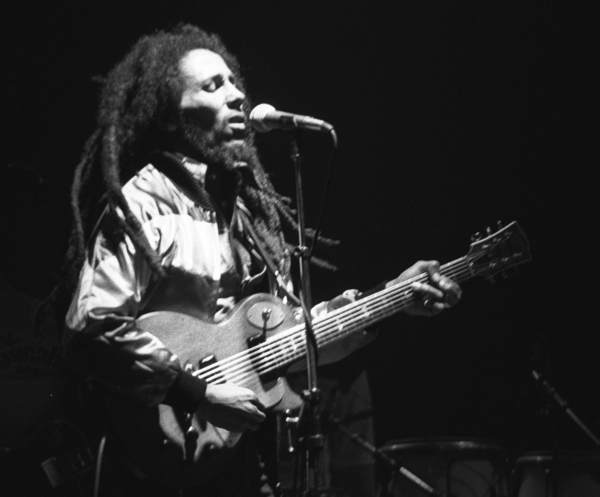
Marley in concert in 1980, Zurich, Switzerland
In the archetypal motif described by Carl Jung and Joseph Campbell, the hero typically comes from humble beginnings. Like Jesus, Mandela and King, Marley qualifies on that score. Born in a tiny shack in the back hills of Jamaica, Bob Marley grew up first as a barefoot country boy and later as a teenager on the mean streets of Kingston, ratchet knife in pocket and fists ready to fly. He never finished high school.
Next in the hero’s journey comes a call to adventure or action, often involving a Vision Quest or Walkabout. Seeking a way to deal with the hardships of ghetto living — as well as the sting of abandonment by his father and long periods of absence from his mother — Marley hiked not to the mountaintop but into the concrete jungle, to the heart of the inner city, where in the abyss of suffering and deprivation known as Back o’ Wall he encountered the teachings of Jah Rastafari. He’d always had music, but now his music acquired profound spiritual depth. Bob Marley, ghetto rudeboy, would become a messenger for Rasta, spreading the word of eternal life and the black man’s redemption through Haile Selassie I via the medium of his music. Marley had found his mission in life.
The next phase in the hero’s journey is initiation, consisting of one or many tests, like the labors of Hercules or the ordeals of Odysseus. For a penniless Third World ghetto-dweller to get his/Jah’s message out to the world was surely a Herculean chore. Guides (another archetypal motif in the hero’s story) like Joe Higgs, Seeco Patterson and Lee ‘Scratch’ Perry tutored Bob and mates Peter Tosh and Bunny Livingston (now Wailer) along the way, helping refine their vocal talents and — like Yoda with Luke Skywalker — completing their apprenticeship. But despite scoring a string of hits atop the Jamaican charts, the three ragamuffins could barely put food in their mouths, let alone shout Hosannas to the world. Down to their last few pounds, they marched into the London headquarters of Island Records and pleaded for money to make an album. Chris Blackwell sensed their integrity and slipped them a few thousand pounds; the three youths went home to Jamaica and within six months had crafted one of the great albums of all time, Catch A Fire. The messenger had found his voice.
The most exalted aspect of the hero’s saga is the sacrifice. Historical examples of the dying and resurgent god are many, among them Christ, Mithras and Dionysus. Psychologically, this represents the death of the individual ego as the hero is reborn a collective figure of hope and renewal—given over to a life for the good of all rather than himself (or herself; a woman can fulfill the archetypal role too). Jamaica in the 1970s was a hotbed of political strife, the two main political parties caught up in tribal war; many claimed the CIA was on the island stirring things up. Bob was caught in the middle and nearly paid with his life. In the end it was not a bullet that took him but cancer. Because of his religious beliefs he forswore the operation that might have saved his life and rather than rest he pushed himself to the brink to get his message out before his strength abandoned him. His rebirth was in his music, which continues to give hope and inspiration to millions, if not in the call to Rastafari, then in the ‘positive vibrations’ and message of love and unity his lyrics so brilliantly radiate.
So much for mythology — what about in real-life terms? Much of the world outside the West readily accepts Marley as a heroic figure. Ask Africans old enough to remember life under minority rule how the Jamaican’s songs gave inspiration to freedom fighters risking their lives to overthrow the tyrants. Ask South Africans who could not buy uncensored Marley records because the apartheid government feared the lyrics would incite rebellion. Ask Zimbabweans who were there in 1980 on Independence Day, when the Union Jack was taken down for the last time and the flag of the new nation raised—who was there to sing but Bob Marley and the Wailers?
Marley saw injustice all around and put it to music. He wisely perceived that the cruelest tyranny was hunger:
‘Them belly full but we hungry
A hungry mob is an angry mob (Them Belly Full)’
He heard and reported the cries of the sufferahs:
‘Woman hold her head and cry
‘cuz her son had been shot down in the street and died
just because of the system (Johnny Was)’
He warned of the repercussions that social and economic inequality would bring:
‘We’re gonna be burning and a-looting tonight (Burnin’ and Lootin’)’
Marley was an astute observer and social critic who let nothing pass. A favourite theme was the shit-stem (system) that made a hell of everyday existence:
‘Today they say that we are free
only to be chained in poverty
good god I think it’s illiteracy
it’s only a machine to make money’ (Slave Driver)
A machine powered by foreign influence and divide-and-rule tactics.
‘So they be bribing with their guns, spare parts and money’ (Ambush in the Night)
Marley wasn’t fooled:
‘Rasta don’t work for no CIA’ (Rat Race)
He spoke out against hard drugs–
‘All those drugs gonna make you slow
That’s not the music of the ghetto’ (Burnin’ and Lootin’)
–and in favour of raising children with love and tenderness:
‘I heard my mother, she was praying in the night…
She said a child is born in this world
He needs protection
Lord guide and protect us
When we’re wrong please correct us’ (High Tide or Low Tide)
Marley sang of a revolution of the mind, echoing the deepest wisdom of humanistic psychologists like Carl Rogers and existential philosophers like Sartre:
‘Emancipate yourself from mental slavery
none but ourselves can free our mind’ (Redemption Song)
He offered solace against the angst of modern times:
‘Have no fear for atomic energy
‘cause none of them can stop the time’ (Redemption Song)
Marley’s guiding spiritual tenet was the doctrine of One Love, a reverence for the unity of all life:
‘In every man’s chest, there beats a heart’ (Zimbabwe)
A true revolutionary, he would turn the other cheek only so far:
‘So arm in arm, with arms,
we’ll fight this little struggle
cuz that’s the only way we can
overcome our little trouble’ (Zimbabwe)
Worldwide, Bob Marley’s lyrics may well have given inspiration and solace to as many as did King’s speeches, and he has come to symbolize resistance to oppression perhaps equally as much as the great civil rights leader. Africans seem to think so. In 1978, an African delegation to the UN presented Marley with the Third World Peace Medal — the former ghetto rudie formally recognized as one of the world’s great champions of freedom and human rights.
Carl Jung wrote of a corollary principle to the hero’s sacrifice — the archetypal impulse of underlings to kill the hero (much like the bloodlust of the sons of the primal horde to slay the clan patriarch, in Freud). Heroes have always been silenced by various methods, the most obvious being their death. One thinks of John Lennon, Malcolm X, Biko, Lumumba, Fred Hampton, Chris Hani, Che Guevara, Chico Mendes, Archbishop Romero and on and on and of course King himself.
When such figures aren’t murdered or imprisoned, they may be reviled, impugned, dismissed. Muhammad Ali was not widely revered in America until age and illness rendered him less threatening to white society. Similarly, King did not become a culture-wide icon until after his death, when the immense power of his presence was removed and only the brilliance of his words remained, rendering him palatable to the mainstream.
Bob Marley was easily dismissed as a dope smoker and profligate who fathered children willy-nilly with this woman and that, when in fact smoking ganja was part of Rastafarian religious belief and Marley as a rule was respectful to all his women; though not literally faithful to his wife Rita he cherished her all his days. Believing the creation of new life was sacred and beautiful he shunned birth control and took pains to ensure all his children were taken care of.
Writing Marley off as a wastrel — whether explicitly in words or implicitly through quiet shunning — is to view him through a Western prism. Of course, the real reason for dissing Marley, like King and Ali, was the threat he posed to the system. Even Mandela was viewed as a serious danger — he was officially designated a terrorist by Ronald Reagan (and Margaret Thatcher) and remained so designated until 2008.
Musically, despite a bright shining moment when Time declared Exodus the greatest album of the 20th Century, the presumed high authority Rolling Stone failed to include any Marley album not only in the top 10 but even the top 100 of its list of the 500 greatest albums. Fleetwood Mac at #26 and Exodus #169? If that’s not dismissal.
In the final analysis, there is little reason to argue over which hero stood the tallest. Just being mentioned in the same breath as Mandela and King is a supreme honor for anyone. Perhaps it is enough to say that Bob Marley was The Voice of the Third World and leave it at that. With much of Africa and the Caribbean having seen little development over the decades, feasting multinationals growing ever richer while the children continue to waste away… with Jamaica suffering the same poverty, lack of opportunity and violence seen thirty-five years ago… Africa plagued still by famine, disease and lack of infrastructure… American blacks faring proportionately far worse in the current economic crisis than their white counterparts, as if constituting a Third World nation within the ‘richest country on earth’ — with all this, we need to hear Marley’s message now more than ever.
David Cupples Ph. D is the author of Stir It Up: The CIA Targets Jamaica, Bob Marley and the Progressive Manley Government (a novel). He can be contacted via email atdavidcdusty@hotmail.com or through his Facebook Author page atwww.facebook.com/StirItUpCIAJamaica .

Wednesday, 19 September 2012

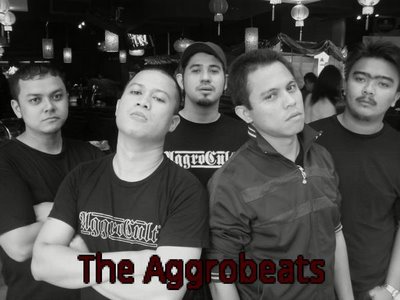
'Boss Reggae' The Aggrobeats

The Aggrobeats adalah salah sebuah band reggae diMalaysia yang dibentuk pada tahun 2006, Band ini mengabungkan musik funk, soul dengan early reggae. Early reggae juga dikenali sebagai skinhead reggae. ia wujud selepas era musik rocksteady sebelum pergerakkan rastafarian yang kemudiannya mewujudkan 'roots reggae'. Di U.K ketika itu masyarakat merasakan musik reggae (ska & rocksteady) begitu membosankan tapi sebaliknya Skinhead merujuk kepada satu subculture di U.K yang merupakan golongan working class mendengar musik reggae dan mempopularkan musik itu di U.K. Bagi menghargai golongan skinhead banyak pemuzik jamaika mendedikasikan lagu untuk mereka seperti Laurel Aitken, Symarip, Desmond Dekker, Joe The Boss dan banyak lagi. Berbalik kepada genre musik The Aggrobeats ada juga yang mengklasifikasikan musik ini sebagai 'dirty reggae' merujuk kepada album pertama The Aggrolites 'dirty reggae' yang diterbitkan pada tahun 2003. Ada juga yang memanggilnya 'boss reggae'. Pengaruh utama band ini adalah The Aggrolites, sebuah band yang berasal dari california. Pengaruh-pengaruh lain seperti James Brown, The Meters, Joe The Boss dan band-band awal skinhead reggae. Gig pertama The Aggrobeats adalah semasa band The Brandals (Indonesia rock & roll band) melakukan tour di Kuala Lumpur. Selepas beberapa bulan selepas itu mereka mengeluarkan demo 'The Good The Bad & The Reggae' secara DIY. Melalui demo tersebut sebuah label dari jerman Copasetic/Scorcha mengedarkan 7' inci rekod. The Aggrobeats juga terlibat dengan beberapa kompilasi album antarabangsa dari Jerman dan Japan. Pada awal kemunculan Band ini dianggotai oleh Edy J Herwan (voc & gitar), Sood (gitar), Bakri (drum), Amir Hamzah (bass) dan Ed (kibod). Kemudian Bakri, Amir Hamzah dan Ed keluar dari band kerana tidak dapat memberi komitmen kepada band dan hanya tinggal Edy J Herwan dan Sood meneruskan band ini dan menjemput pemuzik undangan untuk posisi dram, gitar bass dan kibod.

Monday, 10 September 2012

Gerhana Skacinta ridim

In the late '90s, while the third-wave ska bred new faces & categories like ska punk & ska core: Gerhana Skacinta(GSC) stayed on the traditional path, remaining faithful to a kind of rootsy purity. This purity wasn't based on snottiness or exclusivity, everyone by all means is invited to GSC party based on determination that some music is timeless.


GSC was formed by Edy J Herwan. The name Gerhana Skacinta was a spontaneous idea by Edy who was hardly thinking of the name for his ska band.The idea was to have a classic name for the band.The first gig the band played at was 'Ska Clinic'. In early 2001, Mr Tang (Clocrkwork Records boss) offered GSC to record for compilation album entitled 'Tribute to Sweet Charity'(Singapore/Malaysian pioneer of rock band) they covered the song 'Jangan Tunggu Lama-Lama', it was a big hit & received a lot of radio airplay.

In march 2002, GSC signed up with Clockwork Records ready to record their first EP consisted of 5 tracks, album entitled 'Skali skale'. In late 2002 GSC came out with their full length album 'Boss Sounds' consisted of 11 tracks. GSC continue recording their studio album entitled 'The New Authentic' consisting of 13 tracks, with this album GSC become the favourite hot band and they song 'Senyuman Raga Mu' feat Radhi 'OAG' was a big hit & received Lot of radio play. The succesful the album, their release 'The Re-New Authentic (repackaged album) is consist of 3 bonus track 'Karisma Cinta', 'Senyuman Ragamu acoustic version' & 'Ku Tunggu Mu Di Sungai Babylon' with 3 track minus one of 'Senyuman Ragamu', 'Terpesona' and 'Asmara'. their also release the live album entitle 'Live 'N' Lod In Singapore' recorded live at 'Rastafari Reggae Splash' Siloso Beach Sentosa, Singapore on 31st July 2004. GSC back to studio for record their next album entitled 'This Is Ska'. This album release 2006 with 12 tracks.

Sunday, 9 September 2012

Shajiry & bohsia reggae


Shajiry Damery merupakan seorang penyanyi dan juga seorang pelakon. Pada tahun 1994 beliau menghasilkan album berjudul 'bohsia reggae' yang diterbitkan oleh syarikat rakaman Pony Canyon. Shajiry bukanlah seorang penyanyi yang memperjuangkan muzik reggae di Malaysia, tetapi melalui album itu beliau memainkan lagu-lagu yang berentak reggae. Sebanyak 10 buah lagu dimuatkan didalam album ini, hanya terdapat sebuah lagu original iaitu 'orang kita', dimana lagu dan lirik ditulis oleh Azmira.Walaupun hampir kesemua lagu-lagu ini merupakan lagu sanduran dan hanya diubah lirik lagu daripada band dan penyanyi luar seperti band Inner Circle, Big Mountain, Jalil Hamid tetapi lagu 'orang kita' yang mendapat tempat dihati peminat ketika itu. Tajuk untuk album ini mungkin membuat orang tertanya-tanya apa kena mengena bohsia dengan reggae.Ok pada awal tahun 90an, Malaysia dikejutkan dengan satu bentuk sosial yang melibatkan perempuan yang dipanggil 'bohsia' merujuk kepada gelaran bagi remaja perempuan yang suka berfoya-foya, berpeleseran dan melakukan maksiat (Poe juga ada membuat sebuah lagu bertajuk 'bohsia' didalam album 'buat balik') dan reggae itu sendiri merujuk kepada genre muzik didalam album ini. Ini mungkin juga merupakan salah satu strategi syarikat rakaman untuk memasarkan album. Antara lagu yang terkandung dalam album ini adalah : 1.Bohsia 2.Oh! Kasih 3.Orang Kita 4.Engkau 5.Yang Penting Happy 6.Ayam 7.Hanya Dikau 8.Arah Desa 9.Dail 10.Darsawarsa. Selain dari Bob Marley, Inner Circle adalah antara reggae band internasional yang kerap menjadi rujukan dan sering lagu-lagu dari band ini disadurkan oleh band atau penyanyi reggae era 90an. Contohnya lagu 'bohsia' dan 'darsawarsa' dari Shajiry yang disadur dari lagu 'Bad Boys' dan 'Rock With You' oleh Inner Circle. Poe juga memilih Inner Circle untuk lagu 'saman' yang disadur dari lagu 'sweet (alalalala long)'. Shajiry dan album ini adalah antara koleksi yang pernah mewarnai muzik reggae di Malaysia walaupun satu album sahaja iaitu album ini.

Tuesday, 10 July 2012


Amazing Effort...


-This is Redemption-
A reggae band born in Johore Bahru, Malaysia. establish since 2001 and already played in numerous giggs and showcase. This time the band trying to do some experimental music/sounds by mixing the sound of Samrah/Zafin, also known as 'Ghazal' in Johore with reggae music. And here it is, the output of their hardwork and hard-time, a song called "wadi" was born. the title of the song was taken from the well known village at Johore Bahru called the 'wadihana', which it the sound of Samrah/Zafin was discovered by them at there. after a lot of research and practicing the music, they believe that the sound of Samrah/Zafin was fit enough for the mixing with the sound of reggae. So here we are, enjoy! the experimental sound from redemption, "WADI"

Sebuah band Reggae yang dilahirkan di Johor Bahru, Malaysia. Ditubuhkan pada tahun 2001 dan telah banyak bermain di gigs2 dan juga persembahan pentas. Mereka pada kali ini cuba melakukan eksperimen terhadap sound2 atau bunyi-bunyian Samrah/Zapin, atau lebih dikenali sebagai Ghazal disekitar Johor bersama dengan bunyi-bunyian reggae. Dan ini lah dia hasil dari kerja keras mereka, lagu yang berjudul "Wadi" dilahirkan. Judul lagu diilhamkan dari nama sebuah perkampungan terkenal di sekitar johor bahru, iaitu "Wadihana", dimana disinilah mereka mula2 mengenali bunyi-bunyian Samrah/Zapin. Setelah melakukan kajian serta latihan mengenai bunyian ini, mereka percaya bahawa bunyian Samrah/Zapin ini cukup sempurna utk dicampurkan dengan bunyian Reggae. Nikmatilah, bunyian eksperimental dari REDEMPTION, "WADI"....